Safe and Effective Pest Control Services for Kitchens and Food Areas

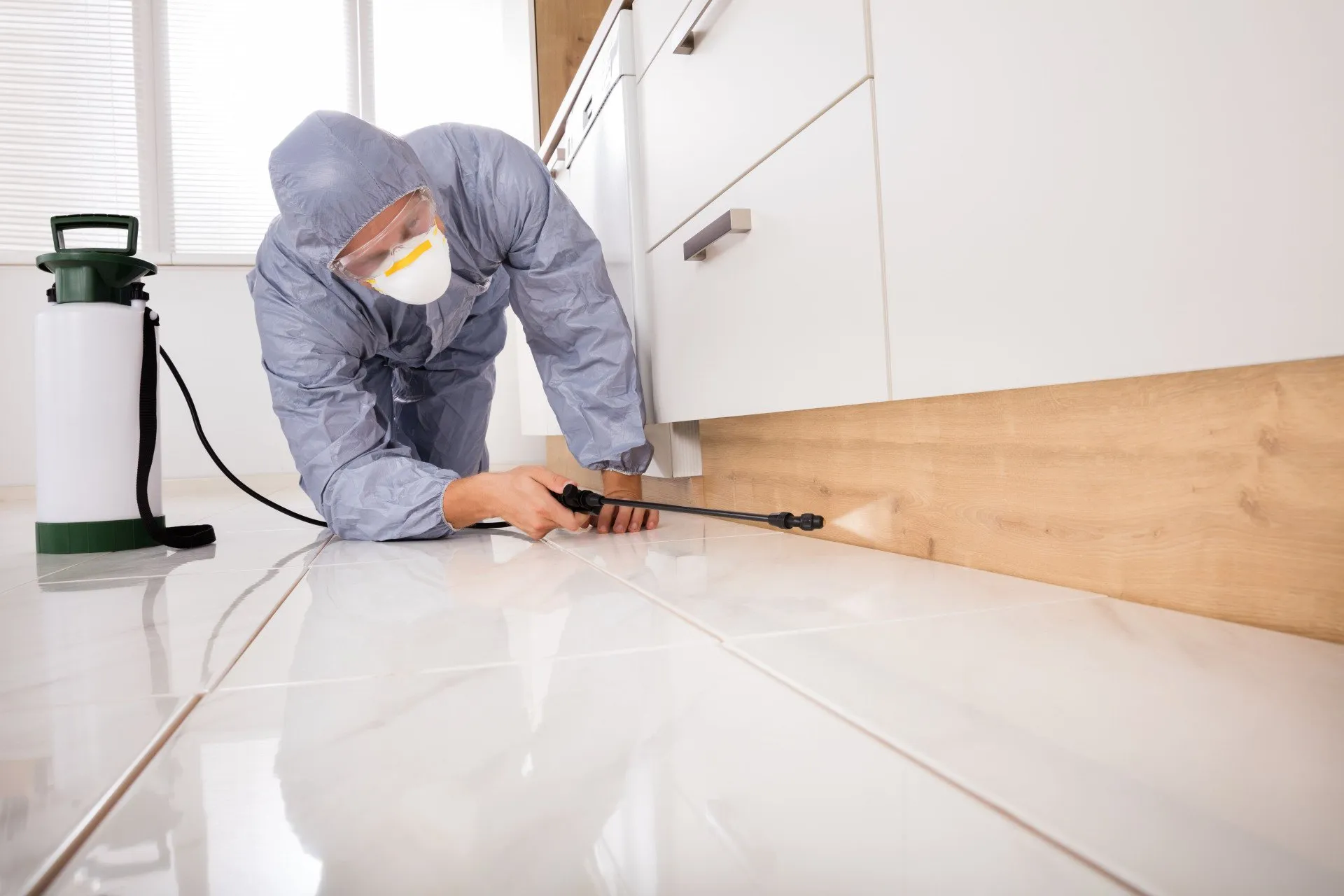
Kitchens and food handling spaces leave very little room for error. A single pest sighting near prep surfaces, dry storage, dish stations, or service counters can trigger waste, failed inspections, customer complaints, and real health risks. That is true in commercial kitchens, but it also applies to school cafeterias, hospital food service rooms, care homes, shared office pantries, and even high-use residential kitchens where food is prepared daily.
The difficulty is not simply getting rid of pests. The real challenge is controlling them without creating a second problem through unsafe chemical use, poor timing, cross-contamination, or rushed cleanup. In food environments, pest management has to be precise. It has to protect people, protect stock, and protect the integrity of the space.
That is where experienced Pest Control Services earn their value. The best providers do far more than spray and leave. They inspect building conditions, identify pressure points, understand food safety rules, and choose treatments that fit the use of the room. They work around operating hours, sanitation schedules, and storage practices. Just as important, they know when not to apply a product, when exclusion will do more than chemistry, and when a recurring issue points to drainage, moisture, or maintenance rather than a simple infestation.
Why kitchens attract pests so consistently
Food areas offer everything common pests need. There is warmth from ovens, refrigeration motors, and dish machines. There is water from sinks, drains, condensate lines, leaking fittings, mop buckets, and floor washdowns. There is shelter in wall voids, under equipment, inside cabinet chases, behind kick plates, and above suspended ceilings. And there is food, often in small but steady amounts that staff barely notice, grease mist on a wall, flour dust beneath shelving, crumbs in a drawer track, syrup under a soda line, or a split bag in a dry goods room.
Rodents, cockroaches, ants, stored product insects, drain flies, and fruit flies exploit these conditions differently, but they all benefit from one thing: inconsistency. A kitchen can look clean at a glance and still support pest activity if hard-to-reach areas are missed, stock rotation slips, deliveries come in unchecked, or plumbing repairs are delayed. I have seen well-run kitchens struggle with recurring German cockroaches because a single warm motor cavity behind a line cooler stayed untouched for months. I have also seen ant issues disappear after a leaking hose bib outside a rear delivery door was fixed and the threshold sealed.
This is why quick cosmetic treatment rarely works in food areas. Pests are responding to conditions, not just opportunities. If those conditions remain, activity returns.
The difference between general spraying and food-area pest management
Safe pest control in kitchens is a discipline of restraint and targeting. A broad, indiscriminate treatment approach that might be used around a warehouse perimeter is not appropriate around food prep surfaces, utensils, packaging, open ingredients, or equipment that cycles heat and moisture.
A competent service plan for a food area usually begins with inspection and mapping. Where is the activity actually happening? Is it concentrated near drains, receiving doors, employee lockers, vending equipment, under cooking lines, or in dry storage? What time of day is it most visible? Are sightings linked to deliveries, rain events, sanitation shifts, or a recent construction change?
That information matters because treatment choices differ sharply. A drain fly issue calls for drain sanitation, biofilm removal, and moisture control. It is not solved by treating random wall edges. Rodent activity around a loading area often demands exterior correction and exclusion long before interior baiting is considered. Stored product insects in flour or grains require inspection of every opened bag and likely product disposal, because infested material can continue seeding the problem even if the room itself is treated.
The safer the service, the more deliberate it tends to look. Less drama, more detail. More monitoring, more documentation, more follow-up.
What safe Pest Control Services should include
Any provider working in kitchens or food areas should be able to explain not just what they plan to do, but why that method fits the environment. If that explanation sounds vague, heavily chemical, or disconnected from sanitation and building conditions, that is a concern.
A solid food-area program usually includes the following:
- detailed inspection of food prep, storage, waste, drains, entry points, and equipment voids
- pest identification, because treatment for cockroaches is not the same as treatment for pantry beetles or flies
- targeted application methods designed for cracks, crevices, voids, and non-food-contact areas where appropriate
- monitoring through traps or stations, with trend tracking over time
- written recommendations for sanitation, exclusion, moisture control, and maintenance
That last point is often underestimated. Some of the best pest prevention work has nothing to do with pesticide use. Door sweeps, pipe escutcheons, caulk repairs, stock rotation, tighter lid discipline, and better drain cleaning can reduce pest pressure dramatically.
Common pests in kitchens and what makes them difficult
Cockroaches are among the most serious kitchen pests because they thrive in warmth, tight harborages, and moisture. German cockroaches, in particular, hide close to food and water sources and reproduce quickly. By the time staff notice them in daylight, the population is often well established. The right response usually combines baiting, crack and crevice treatment, vacuuming in heavy infestations, and repeated follow-up. A one-time visit rarely solves a mature cockroach problem in an active kitchen.
Rodents create a different kind of urgency. Mice can slip through openings about the width of a pencil, and rats exploit drain lines, damaged door seals, and service penetrations. In food spaces, the issue is not just droppings. Rodents gnaw packaging, foul stock, and create serious regulatory trouble. Effective control often depends on exclusion first. Traps and stations are useful, but if structural gaps remain, the site stays vulnerable.
Small flies are easy to dismiss and hard to eliminate. Fruit flies build around fermenting residues, beverage systems, mop storage, and waste zones. Drain flies breed in organic slime inside drains and floor sink edges. Phorid flies may indicate deeper moisture issues, including broken lines or chronic buildup under slabs. The species matters. If the service company identifies every small fly as a “gnat,” that is not a good sign.
Stored product pests, such as beetles and moths affecting grains, cereal products, spices, nuts, pet food, and baking ingredients, often arrive with the product. This is why receiving practices matter. If one infested case enters storage and sits unnoticed, the insects can spread well beyond its original container.
Ants are often a symptom of route access and moisture. In kitchens, the temptation is to treat the visible trail immediately. Sometimes that is appropriate, but long-term success usually depends on finding the entry source, colony location, or attraction point. Ant control can fail when cleaning removes bait placements too soon, or when repellent products are used where a non-repellent approach would work better.
Where safety can break down during treatment
Even reputable treatments can become unsafe if the work is rushed or poorly coordinated. Food areas demand timing, communication, and site preparation. The technician needs to know what is in use, what can be removed, what must be covered, and when the room will be cleaned and reopened.
Problems usually appear in predictable ways. Product may be applied too close to food-contact surfaces. Open utensils or ingredients may remain in place during treatment. Staff may not understand reentry times or cleanup instructions. A service visit may happen in the middle of prep, forcing shortcuts. Or the pest control plan may conflict with the sanitizer routine, washing away baits and treatments before they can work.
The strongest providers build around operations. They schedule visits during low-use windows, communicate with managers ahead of time, and leave written guidance specific to the treated area. In a hospital kitchen or school setting, that level of coordination is not a luxury. It is basic risk control.
Why integrated pest management works better than heavy treatment
Integrated pest management, often called IPM, is especially suited to kitchens because it recognizes a simple fact: pests survive there because the environment supports them. If you only attack the pest and ignore the environment, you keep paying for the same fight.
In practice, IPM means combining https://anotepad.com/notes/tfrks572 monitoring, sanitation, exclusion, maintenance, and carefully selected treatment methods. It is less glamorous than a dramatic service call, but it is far more dependable. A kitchen with strong IPM may still need periodic treatments, yet those treatments become smaller, more targeted, and more effective because the underlying drivers are being reduced.
I have seen this play out in food production break rooms and restaurant backlines. One site struggled for months with recurring mice despite frequent service. The turning point was not a stronger rodenticide program. It was repairing three dock door gaps, changing overnight trash handling, and moving bulk snacks off the floor onto sealed shelving with a consistent cleaning schedule under the racks. Trap activity dropped within weeks.
That is the value of judgment. Good Pest Control Services do not sell the biggest response. They match the response to the cause.
The role of sanitation, and where many kitchens miss the mark
Most managers know sanitation matters. Fewer realize how specific pest sanitation has to be. General visual cleanliness is not enough. Pests are sustained by hidden residues and overlooked patterns.
The areas that most often undermine control are under and behind equipment, floor drain edges, splash zones around dish stations, caster wheels, utility penetrations, abandoned screw holes in walls, and the undersides of shelves where grease and dust accumulate. In dry storage, torn bags, cardboard clutter, and product packed too tightly against walls make inspection difficult and create harborages.
Even the cleaning tools can become part of the problem. Wet mop heads left in a closet, bins with old liners, floor squeegees stored with residue on them, and scrub pads soaked in food grease all support insect activity. One facility I visited kept seeing flies near a prep sink despite repeated drain treatment. The source turned out to be a forgotten drip tray and damp wiping cloth storage under a nearby beverage unit.
This is where the pest technician and kitchen team need to function as partners. If either side treats the issue as someone else’s job, progress slows.
Choosing treatment methods that fit a food environment
There is no universal “best” treatment for kitchens. The right method depends on the pest, level of activity, room layout, food exposure, and operational schedule.
For cockroaches, gel baits and insect growth regulators are often useful when placed correctly and protected from routine washdown. Crack and crevice applications may also play a role in non-food-contact voids. For rodents, snap traps, multi-catch devices, and exclusion repairs are standard tools, with exterior baiting strategies used where legal and appropriate. For flies, monitoring devices, drain cleaning, and source reduction often outperform broad chemical treatment. For pantry pests, inspection and product management are indispensable.
The point is not that chemicals are bad. It is that in kitchens they must be subordinate to food safety and precision. More product is not better. Better placement, better timing, and better source correction are better.
A thoughtful technician will also account for airflow, heat, steam, and routine cleaning. Kitchens are dynamic spaces. Treatments that perform well in a dry office corner may fail beside a fryer line, a floor sink, or a nightly washdown zone.
What food businesses should ask before hiring a provider
Not every pest company is equally prepared for food handling environments. Some are excellent at general structural pest work but weaker when strict sanitation standards, audit trails, and sensitive treatment zones are involved.
Before hiring, ask practical questions. How do they document findings and recommendations? Do they have experience in commercial kitchens or regulated food facilities similar to yours? How do they handle service around open food and food-contact equipment? What is their plan for recurring follow-up if the issue is established? Can they distinguish between sanitation-related activity, structural access problems, and product-borne infestations?
You also want to know how they communicate with your team. The best service in the world loses value if the manager receives a generic report that says “treated as needed” with no mention of drain buildup, door gaps, harborage points, or staff actions required before the next visit.
A provider should leave you better informed after every service call, not just temporarily relieved.
Signs that a kitchen pest program needs to change
Some warning signs are obvious, such as live pest sightings during operating hours or droppings in storage. Others are subtler and just as important.
- repeat sightings in the same zone after multiple treatments
- glue boards or monitors showing steady activity with no downward trend
- recurring issues after deliveries, rain, or sanitation shifts
- strong reliance on emergency visits instead of planned prevention
- service reports that document treatment but not causes or corrective actions
If these patterns show up, the answer is rarely “spray more.” Usually it means the program lacks enough inspection depth, species identification, site cooperation, or structural correction.
Special considerations for schools, hospitals, and care facilities
Sensitive food environments require even tighter standards because the population served may be more vulnerable. In schools, there is constant movement, variable cleaning quality, and pressure to service around class schedules. In hospitals and care facilities, the stakes rise further because food service areas support patients with compromised health, and treatment windows may be narrow.
These sites benefit from highly predictable service routines, excellent documentation, and strong coordination among facilities, environmental services, and food service management. A missing door sweep in a nursing home loading area or an untreated floor drain issue in a school servery can become a repeating problem if nobody owns the correction. In these settings, pest control is an operational discipline, not a stand-alone vendor task.
Prevention between service visits
Even excellent Pest Control Services cannot compensate for weak day-to-day habits. The fastest gains usually come from small operational changes repeated consistently. Deliveries should be checked before storage, especially dry goods in cardboard. Stock should be rotated and kept off the floor. Night cleaning should include equipment edges and low-visibility residue points, not just exposed floor. Leaks should be reported quickly, not added to a maintenance backlog for next month.
One of the most effective routines is a five-minute closing inspection by a supervisor who knows where pests hide. That walk should look under sinks, behind a few mobile units, around floor drains, at the back door threshold, and in dry storage corners. It sounds modest, but it catches the conditions that become infestations.
The long view: safety, reputation, and cost
Businesses often approach pest control after a crisis, a failed inspection, a customer complaint, or a visible outbreak. That is understandable, but reactive spending is usually the most expensive kind. Emergency treatments, stock losses, staff disruption, extra deep cleaning, and reputational damage add up quickly.
Preventive service, by contrast, tends to look uneventful. Fewer sightings, clearer documentation, better closure on maintenance issues, and smaller, more targeted interventions. That quiet consistency is what food environments need. Safety is not built through dramatic action. It is built through routine control, careful observation, and follow-through.
For kitchens and food areas, the standard should be simple: pest control must solve the problem without compromising the space it is meant to protect. When a provider understands food safety, respects operational realities, and works from inspection rather than habit, that standard is realistic. And when management supports the program with sanitation discipline and maintenance response, pest pressure becomes manageable instead of cyclical.
That is what safe and effective pest control really looks like in a kitchen. Not just fewer pests, but a cleaner, better-defended environment where treatment decisions are made with care.
Affordable Pest Solutions LLC
Phone number: +19732299547
FAQ About Pest Control Services
How much does pest control charge?
For a standard 1,500-square-foot home, professional pest control charges generally average $100 to $300 for an initial visit, with ongoing monthly services running $40 to $75 per visit and one-time emergency exterminations costing $100 to $600, depending heavily on the specific pest and the severity of the infestation.
What is the hardest pest to get rid of?
Bed bugs are widely considered the hardest household pest to get rid of, closely followed by German cockroaches and subterranean termites.
What is included in a pest control service?
A standard pest control service includes a property inspection, targeted treatments, and prevention advice. It typically covers common pests like ants, spiders, and cockroaches, using sprays, baits, or traps.